

Why Are Some Rooms in My House Always Too Hot or Too Cold?
Hot and Cold Spots: What You Can Actually Do About It
Ever have that one room in your home that just never feels right? Maybe it turns into a sauna in the summer or stays chilly no matter how high you crank the heat in winter. You adjust the thermostat, close doors, wave your hands in front of the vent—and still, nothing changes.
Sound familiar?
You’re not alone. Uneven temperatures are one of the most common comfort issues our service technicians at Shavitz hear about, especially in older Chicago homes or multi-story layouts. The good news? It’s not something you just have to live with. There are real reasons it happens—and better yet, real solutions that actually work.
Let’s take a look at why certain rooms stay too hot or too cold, and how you can get things feeling just right again.
1. Blocked Vents or Poor Airflow
Sometimes, the culprit is hiding in plain sight. If certain rooms in your home always feel too hot or too cold, your vents might be working overtime—without getting a chance to do their job.
Furniture pushed up against vents, long curtains draping over registers, or even a buildup of dust and debris can restrict airflow. And when airflow is blocked, that air gets redirected—or worse, just stalls—leaving certain rooms starved of the heating or cooling they need.
It’s especially common in older homes with heavy furniture or less thoughtfully placed ductwork. And while it might seem like closing off vents in unused rooms would save energy, doing so can actually throw off your system’s pressure balance and make things worse.
What to do:
- Make sure all vents are open and have space to breathe. Avoid placing beds, couches, or bookshelves directly in front of them.
- Clean your vent covers regularly. Dust buildup not only blocks airflow but can also worsen allergies.
- Avoid closing vents in unused rooms, as this can increase pressure in the ducts and reduce system efficiency.
- Check return vents too—not just the ones blowing air out.
Related: Why Is My Home So Dusty? — Learn how dirty vents and filters can lead to air quality issues and uneven temps.
Related: How Often Should You Replace Your HVAC Filter? — Keeping airflow clean and steady starts with your filter.
Proper airflow is the foundation of even temperatures. If your system can’t “breathe,” it can’t do its job—no matter how powerful it is.
2. Your HVAC System Might Not Be the Right Size
Bigger isn’t always better—and smaller isn’t always efficient. The size of your HVAC system plays a major role in how comfortable your home feels.
If your system is too small, it will constantly run, struggling to reach the right temperature, especially during extreme Chicago weather. If it’s too large, it will turn on and off too frequently, a problem known as short cycling. This wears out components, uses more energy, and doesn’t give the system enough time to evenly distribute air or properly dehumidify your home.
The result? Inconsistent temperatures, higher utility bills, and reduced lifespan of your system.
So how do you get it just right?
It all starts with a load calculation—and no, that’s not guesswork or a “rule of thumb.” A true load calculation factors in your home’s size, insulation, number of windows, ceiling height, orientation to the sun, and more. It’s a scientific approach to determining exactly how much heating or cooling your home really needs.
Why it matters who does it:
A poorly sized system—whether over- or undersized—often results from rushed or incorrect sizing calculations. At Shavitz Heating & Air Conditioning, we’ve been sizing systems the right way for over 100 years. Our technicians use industry-standard Manual J load calculations, and we take the time to understand the unique needs of your home and family before recommending any equipment.
What to do:
- Schedule a professional load calculation before replacing or upgrading your system.
- Avoid “guesstimates” based on square footage alone.
- Work with a trusted, experienced HVAC company that will take the time to get the sizing right.
Related: Should I Repair or Replace My HVAC System? — Learn when it makes sense to upgrade and how to tell if your current system is still doing its job, but just needs a little repair.
When your HVAC system is sized properly, everything works better: airflow is balanced, energy use goes down, and every room stays comfortable.
3. Leaky or Unbalanced Ductwork
If you’ve got rooms that are always a little too hot or too cold—especially on the upper or lower floors—your ductwork might be to blame.
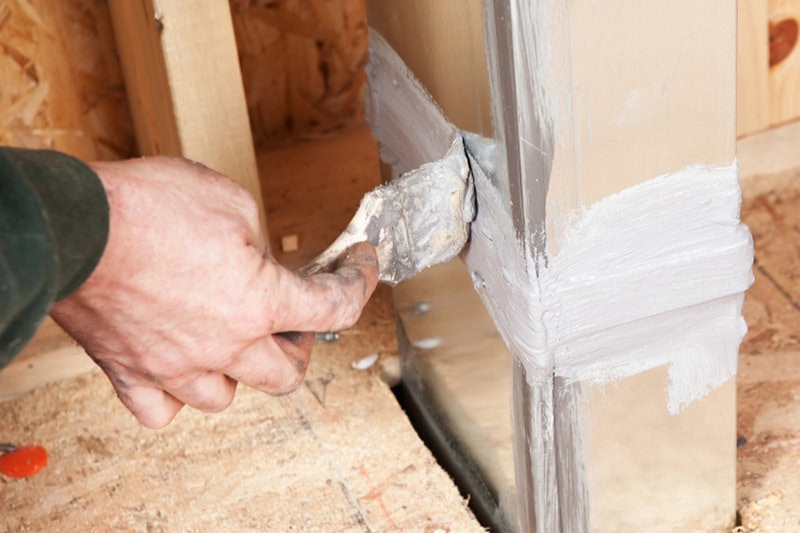
Your HVAC system relies on a network of ducts to carry heated or cooled air throughout your home. But if those ducts are leaking air, poorly connected, or simply weren’t designed with your home’s layout in mind, that air isn’t getting where it needs to go. Instead, it might be escaping into attics, crawl spaces, or unfinished basements—wasting energy and leaving certain rooms uncomfortable.
This issue is especially common in older homes or multi-level layouts where airflow isn’t evenly distributed. You might notice the upstairs feels like a sauna in summer while the basement stays ice-cold all year. That’s not just an insulation issue—it’s often a ductwork problem.
How do you fix it?
Start with a professional duct inspection. At Shavitz, we use airflow measurement tools and thermal imaging to identify leaks, blockages, and imbalances in your ductwork. If we find issues, we’ll walk you through your options—whether it’s sealing leaks, adjusting dampers, or reworking duct paths for better performance.
You may also benefit from airflow balancing (adjusting how much air goes to each room) or installing a zoning system that gives you precise control over temperatures in different areas of your home.
What to do:
- Schedule a professional duct inspection to check for leaks, gaps, or poor connections.
- Ask about airflow balancing to fine-tune how air moves through your home.
- Explore zoned HVAC systems for multi-floor homes or rooms with unique heating/cooling needs.
Related: What’s Included in a Professional HVAC Tune-Up? — A seasonal tune-up can catch airflow issues before they turn into comfort problems
When your ducts are sealed and balanced, your HVAC system works smarter—not harder—and every room gets its fair share of comfort.
4. Poor Insulation or Window Seals
Rooms with large windows, older insulation, or drafty seals are more exposed to outdoor temperatures. Heat escapes quickly in winter and builds up fast in summer—making it harder for your system to keep up.
What to do:
- Add or upgrade insulation in walls, ceilings, or crawlspaces.
- Use thermal curtains or upgrade to energy-efficient windows.
- Seal cracks around doors and windows with weatherstripping or caulk.
5. Your Thermostat Placement Could Be Throwing Things Off
If your thermostat is installed in a hallway, near a sunny window, or next to a heat source, it might not be getting an accurate read on your home’s temperature. That can cause the system to shut off too early—leaving some rooms uncomfortable.
What to do:
- Consider moving the thermostat to a more central, shaded location.
- Upgrade to a smart thermostat with remote sensors that track temperatures in multiple rooms.
Related: How to Lower Your Heating and Cooling Bills Without Sacrificing Comfort — Learn about unconventional ways to cut your energy usage and save money on your heating and cooling bill.
6. Your HVAC System Might Just Be Getting Old
Sometimes, the issue isn’t something that needs fixing—it’s simply that your system is past its prime.
If your furnace or AC is 10–15 years old (or older), it may no longer be able to keep up with your home’s heating and cooling needs—especially during extreme Chicago weather. Even if it’s still running, that doesn’t mean it’s running well.
Older systems tend to:
- Lose efficiency, using more energy to do the same job.
- Struggle to distribute air evenly, creating hot or cold spots.
- Breakdowns occur more frequently, leading to repeat repair costs.
- Lacks the modern features that improve comfort, air quality, and control.
And let’s be honest—if you’ve had to call us more than once this season, your system might be telling you it’s ready for retirement.
What to do:
- Schedule a professional system evaluation—we’ll give you honest feedback on how your system is performing.
- If replacement makes sense, ask about modern, energy-efficient models that come with features like:
- Zoning capabilities to fix uneven temps.
- Variable speed motors for quieter, more consistent airflow.
- Smart thermostat compatibility for better control and efficiency.
Related: Is It Worth Upgrading to a High-Efficiency Furnace? — Learn what modern systems offer and how to know when it’s time to upgrade
At Shavitz, we’ll help you decide whether your current system still has life left—or if it’s time to start fresh with something that works better, costs less to run, and keeps your whole home comfortable.
Still Dealing With Hot and Cold Spots? Let’s Fix It.
You shouldn’t have to throw on a hoodie in one room and a tank top in another. With a few smart changes—like duct balancing, insulation upgrades, or zoning—your home can feel consistently comfortable again.
At Shavitz Heating & Air Conditioning, we’ve been helping Chicago-area homeowners fix comfort issues for over a century. Whether it’s adjusting airflow, replacing an aging system, or installing the latest smart tech, we’ll help you find the solution that fits your home and your budget.
Call us at 847-861-5559, request service online, or stop by: 8024 St. Louis Ave, Skokie, IL 60076. Let’s make every room in your house feel just right.